Step-by-Step Guide to Building an IDX Real Estate Website

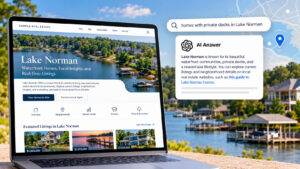
Having an IDX-enabled real estate website is essential for success. An IDX (Internet Data Exchange) website allows real estate agents to display MLS (Multiple Listing Service) listings directly on their site, providing potential buyers with up-to-date property information. Building your own IDX real estate website can give you greater control over your online presence and help you stand out from the competition. This step-by-step guide will walk you through the process of creating an effective IDX real estate website.
Your Step-by-Step Guide to Building an IDX Real Estate Website
Planning Your Real Estate Website
Before you start building, it’s crucial to plan your website carefully. First, identify your target audience. Are you catering to first-time homebuyers, luxury property seekers or commercial real estate clients? Understanding your audience will help you tailor your site to meet their needs.
Next, set clear goals for your website. Are you aiming to generate leads, provide valuable real estate information or showcase your property listings? Having specific objectives will guide your website’s design and functionality.
Choosing the Right Platform
Choosing the right platform is a critical step. Popular website builders like WordPress, Wix and Squarespace offer user-friendly options for creating a real estate website. Alternatively, you can opt for a custom-built website if you have specific needs that off-the-shelf solutions can’t meet.
Sierra Interactive offers a real estate-specific platform solution. Rank for top-level keywords, individual listings and neighborhoods with beautifully designed real estate websites built with organic SEO in mind.
Selecting an IDX Provider
Your choice of IDX provider will significantly impact your website’s functionality. Look for providers that offer seamless MLS integration, customizable search options and mobile responsiveness. Popular IDX providers include IDX Broker, Diverse Solutions and iHomefinder. Compare their features and pricing to find the best fit for your needs.
Domain and Hosting
Choosing a memorable domain name is essential for branding. Ideally, your domain name should reflect your business name or include relevant keywords. Once you have a domain, select a reliable hosting provider that offers fast load times and excellent customer support. Popular options include Bluehost, SiteGround and GoDaddy.

Designing Your Real Estate Website
A user-friendly design is crucial for keeping visitors engaged. Consider hiring a professional designer if your budget allows or use pre-made templates if you’re on a tighter budget. Ensure that your design is clean, intuitive and easy to navigate.
Integrating IDX
Integrating IDX with your website involves several steps. Your chosen IDX provider will typically offer a plugin or code snippet that you can add to your site. Customize the IDX features to match your website’s design and functionality. Ensure that the property search and listing display are easy to use and visually appealing.
Adding Essential Features
To make your website more effective, include essential features like advanced property search, interactive map search and automated property alerts. These tools enhance user experience by making it easier for visitors to find and stay informed about properties that interest them.
Content Creation
Quality content is key to attracting and retaining visitors. Create SEO-friendly property listings with detailed descriptions, high-quality photos and virtual tours. Additionally, provide valuable information about the real estate market, buying and selling tips and neighborhood guides.
SEO Optimization
Implementing SEO strategies is crucial for improving your website’s visibility on search engines. Use on-page SEO techniques such as optimizing meta tags, headers and content with relevant keywords. Off-page SEO strategies, like building backlinks and social media engagement, further boost your site’s ranking.
Use our Complete Real Estate SEO Playbook to help you through this process. We break SEO down into straightforward strategies that are easy to understand and even easier to implement and track.
Mobile Optimization
With an increasing number of users browsing on mobile devices, ensuring your website is fully responsive is essential. A mobile-friendly design improves user experience, reduces bounce rates and increases engagement. Test your site on various devices to ensure it functions seamlessly.
Lead Capture and Management
Effective lead capture forms are vital for generating leads. Place these forms strategically on your website, such as on property listings and contact pages. Integrating your site with a CRM system helps you manage and nurture leads efficiently, ensuring no potential client falls through the cracks.
Social Media Integration
Integrating social media with your website allows visitors to share listings on platforms like Facebook, Twitter and Instagram. This integration drives traffic to your site and enhances your online presence. Regularly update your social media accounts with new listings and engaging content to attract more followers.
Security and Compliance
Ensuring your website is secure and compliant with real estate laws is crucial. Implement SSL certificates to encrypt data and protect user information. Stay updated on local real estate regulations and ensure your website adheres to them, including displaying necessary disclaimers and abiding by MLS rules.
Testing and Launch
Before launching your website, conduct thorough testing to identify and fix any issues. Test all features, including property search, lead capture forms and mobile responsiveness. Once everything is in order, officially launch your website and promote it through various channels, including social media, email marketing and online advertising.
Post-Launch Maintenance
Maintaining your website is an ongoing process. Regularly update content, check for broken links and monitor performance using analytics tools. Continuously improve your site based on user feedback and performance data to ensure it remains effective and competitive.
Conclusion
Building your own IDX real estate website may seem daunting, but with careful planning and execution, it’s entirely achievable. By following this step-by-step guide, you’ll create a powerful online presence that attracts visitors, generates leads and boosts your real estate business.
Sierra Interactive’s out-of-the-box IDX website integration does the hard work for you. With an immediate SEO boost, you’ll be established as the top leader in your local market with custom Community Pages for each of the sub-communities and neighborhoods in your area. Learn more by scheduling a demo today.
Real Estate Website FAQs
What is IDX integration in real estate?
- IDX integration allows real estate websites to display MLS listings, providing a comprehensive database of available properties.
Why is mobile optimization important for a real estate website?
- Mobile optimization ensures a seamless browsing experience on all devices, improving user satisfaction and reducing bounce rates.
How can social media integration benefit my real estate website?
- Social media integration allows for easy sharing of listings, driving traffic to your site and enhancing your online presence.
What are the benefits of using a CRM with my IDX real estate website?
- Integrating a CRM with your IDX website helps manage and nurture leads efficiently, ensuring no potential client falls through the cracks.
How do I ensure my IDX real estate website is secure and compliant?
- Implement SSL certificates to encrypt data, protect user information, and stay updated on local real estate regulations to ensure compliance.